Be Your Own Hero
A Trauma-Informed, Strength-Based Model
A Trauma-Informed,
Strength-Based Model
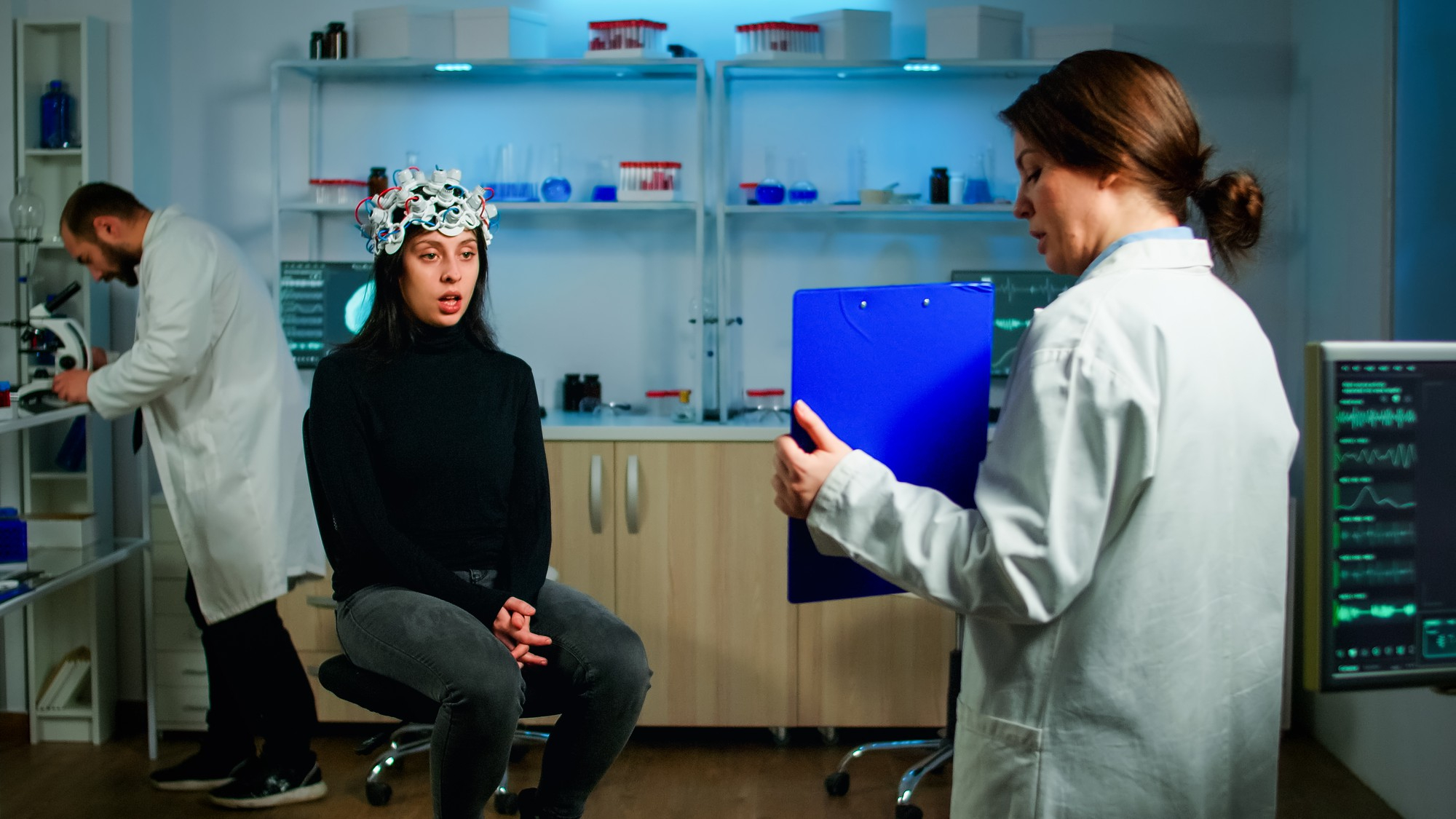
Our Be Your Own Hero model provides the clinical foundation for everything we do. It is a trauma-informed, life cycle approach that supports children and young people to build the psychological, emotional, and physical foundations needed for lifelong wellbeing. Grounded in research on Psychological Capital (Luthans, Youssef & Avolio, 2007), our model emphasises the development of Hope, Efficacy, Resilience, and Optimism — the four pillars that enable young people and staff alike to thrive despite adversity. Our work recognises that wellbeing is shaped across a lifetime, influenced by biological, psychological, social, and environmental factors. By addressing each of these domains through integrated clinical input, we aim to reshape health trajectories and create sustainable, positive change. Our multi-layered approach ensures that change happens within the child, within relationships, and within the wider environment.
The “Be Your Own Hero” Philosophy Empowerment through Understanding, Connection, and Growth
Every child has an internal capacity for growth and recovery.
Our role is to help them discover that potential — to become their own hero in a world that may not always have felt safe or predictable.
We do this by
- Creating emotionally safe, containing environments
- Strengthening adult presence and relational safety
- Equipping staff teams with the understanding to respond, not react
- Supporting children to rebuild their internal resources for hope and self-belief
This approach ensures that clinical interventions don’t just treat difficulties — they build capacity, confidence, and connection.
The Four Pillars of Psychological Capital
The Four Pillars of
Psychological Capital
Our framework draws on the concept of Psychological Capital (PsyCap), a model from positive psychology that identifies key internal resources predictive of wellbeing and success.
Pillar | Focus | In Practice |
Hope | Goal-directed energy and pathways thinking | Helping children visualise futures, set achievable goals, and believe in possibility |
Efficacy | Confidence to take on and succeed in challenges | Empowering young people and staff to build mastery through success experiences |
Resilience | Ability to recover and grow from setbacks | Supporting emotional regulation, co-regulation, and adaptive coping |
Optimism | Positive expectations about the future | Reinforcing self-worth and agency through relational safety and reflection |
These pillars are developed not only in children, but also in staff teams, ensuring a parallel process of growth and containment across the whole organisation.
A Life Cycle Approach Understanding Health Trajectories Over Time – The model uses a life cycle framework
Our model uses a life cycle framework to understand how early experiences shape long-term health and well-being.
This perspective helps us identify and address factors that influence a child’s current functioning and future outcomes.
We consider
- Biological influences: sleep, nutrition, sensory regulation, and stress physiology
- People: Relationship building, attachment, peer influence, mentors and role models
- Mental Capital: executive functioning and trauma histories
- Cultural factors: socioeconomic gradient, belonging, and social attitudes
- Environmental influences: education, opportunity, and socioeconomic context
By addressing multiple layers simultaneously, we aim to strengthen each child’s “mental capital” — their cognitive and emotional capacity for growth and adaptation.
Safe Environments, Strong Communities, Building Containment and Connection
We know that healing and development can only occur in environments that feel safe.
Our model prioritises
- Emotional and physical safety for both children and staff
- Predictable, structured, and nurturing care routines
- A culture of community care and mutual regulation
- Support for staff wellbeing to reduce burnout and compassion fatigue
By embedding these principles across all aspects of practice, we help create homes where therapeutic care is lived — not just spoken about.
Evidence, Monitoring, and Progress Measuring What Matters
Evidence, Monitoring, and Progress
Measuring
What Matters
Our model is evidence-based and outcome-driven.
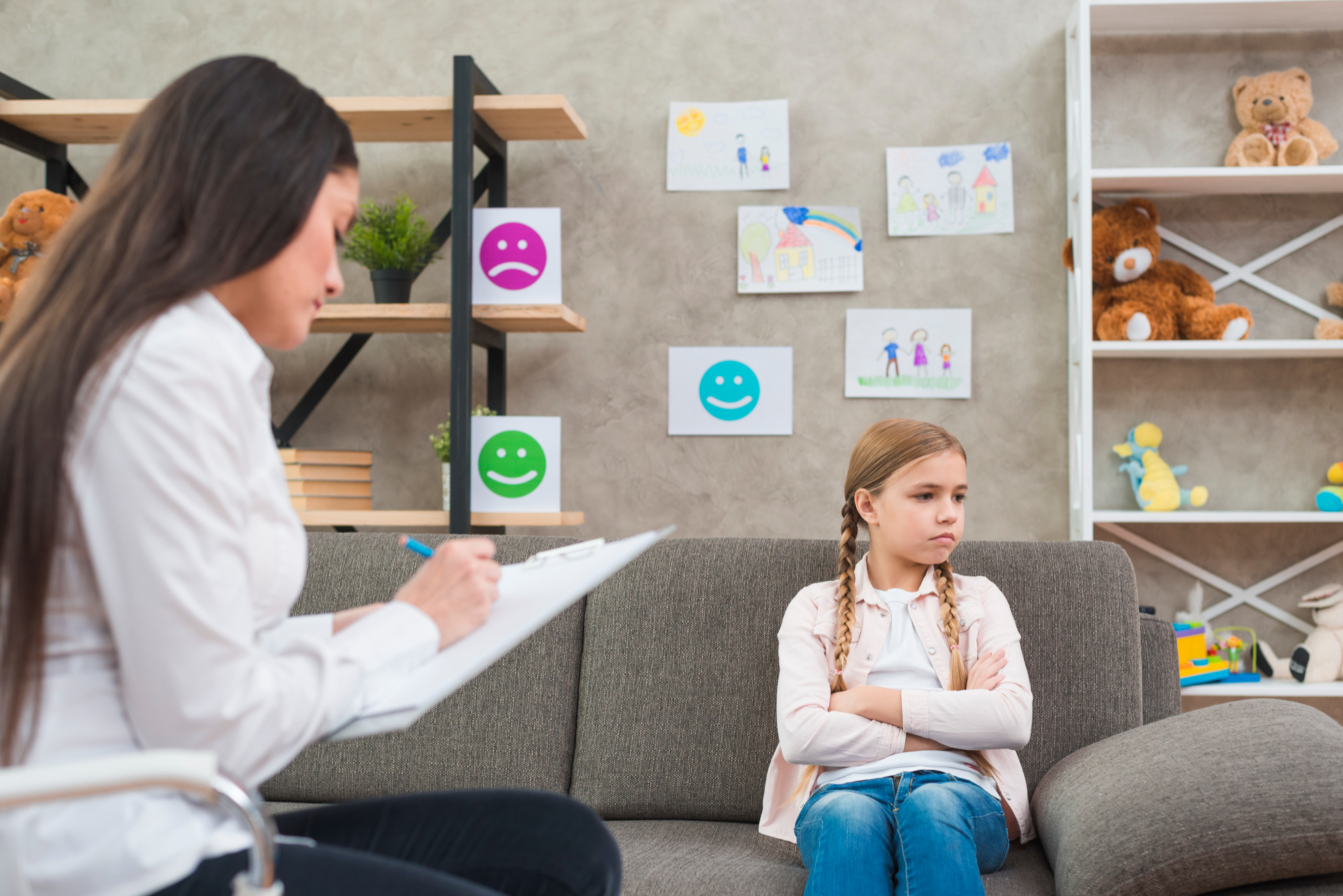
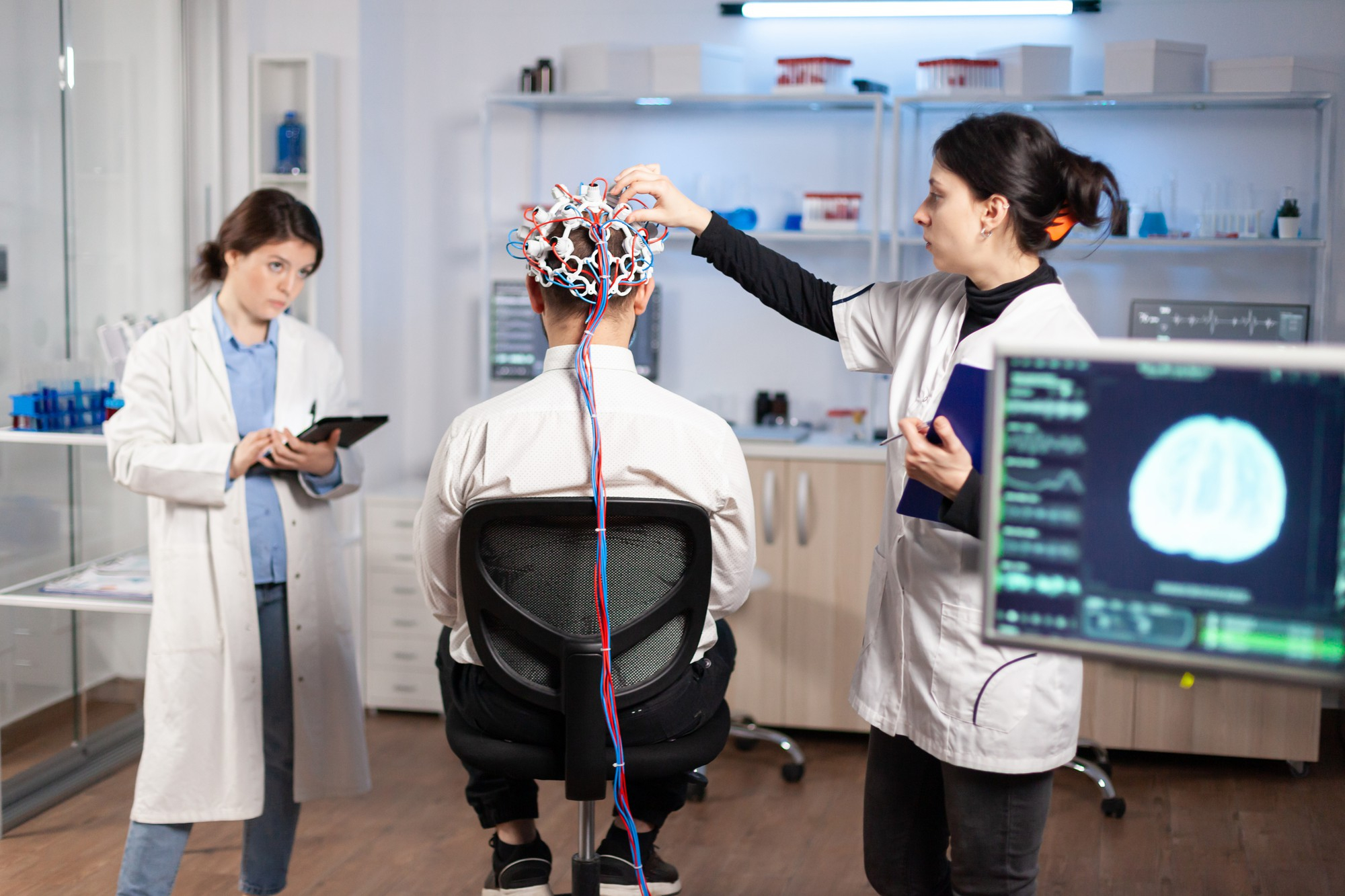
We utilise standardised assessments and ongoing review processes to monitor progress, inform interventions, and demonstrate impact.
Assessments include measures of
- Cognitive and executive functioning
- Attachment and relational patterns
- Emotional regulation and wellbeing
- Communication and participation
This continuous cycle of assessment, intervention, reflection, and review ensures we adapt dynamically to each child’s evolving needs and track improvement over time.

The Outcomes We Aim For
- Improved emotional regulation and resilience
- Strengthened relationships and attachment security
- Increased independence and life skills
- Greater hope, confidence, and self-efficacy
- Reduced placement breakdowns and distress
- Empowered, reflective, and supported staff teams
We believe every child can be the hero of their own story — when surrounded by adults who understand, contain, and believe in them